A team that designs Hebrew letters. From scratch.
Leshem is a studio of type designers focused on one thing: original Hebrew typefaces, point by point.
Who we are
We are a team of letter designers, font engineers and typographers. Every Leshem typeface is born in our studio, from first sketch to final file, with no copies and no shortcuts.
The Leshem team · Hebrew type designers
- 4
- families
- 15
- weights
- 27
- letters + niqqud
How a letter is born
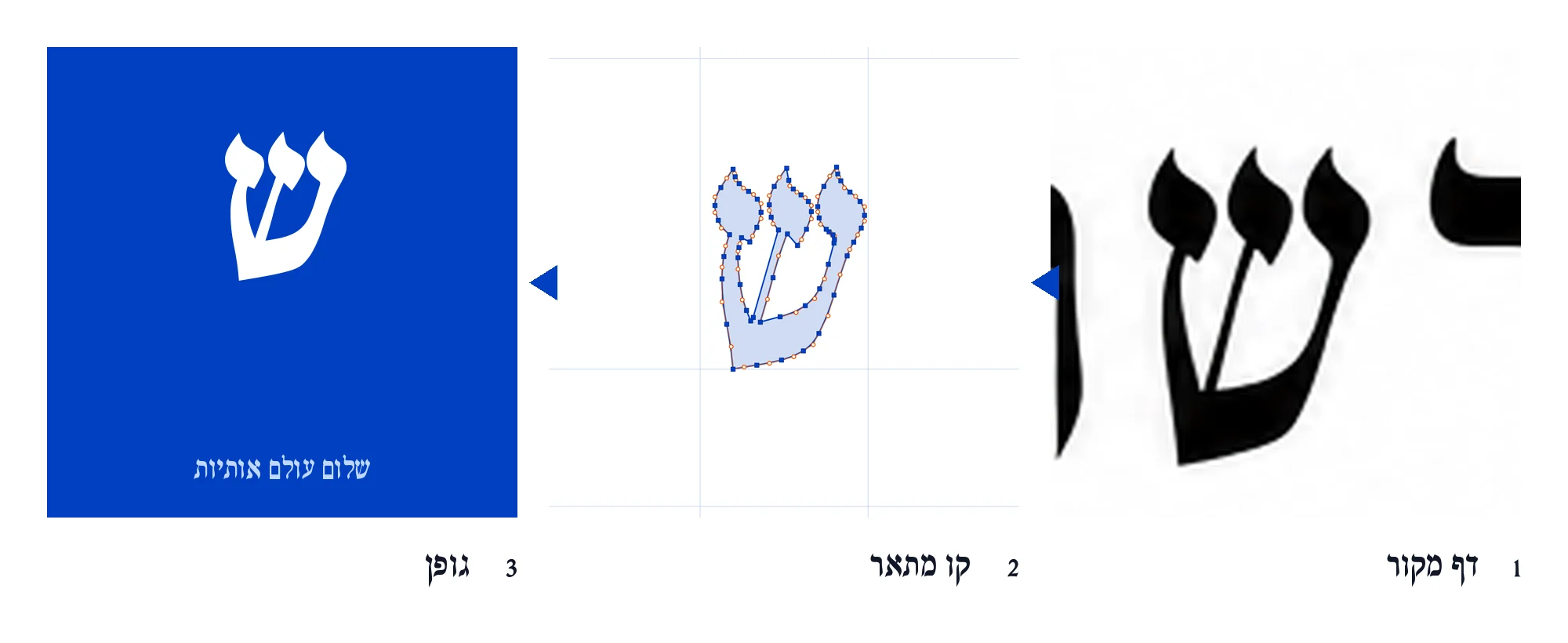
- 1.
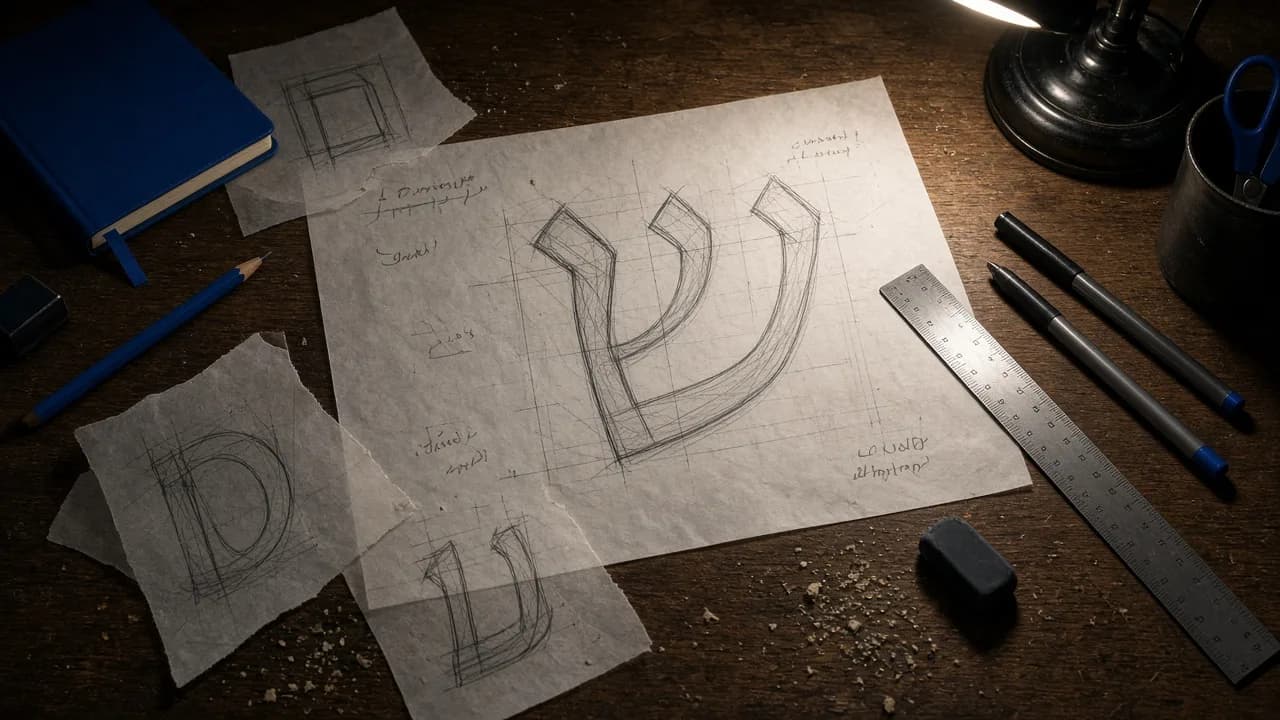
Sketch and source
It starts with a pencil: the skeleton, the thick-thin contrast, the tail and the crown.
- 2.
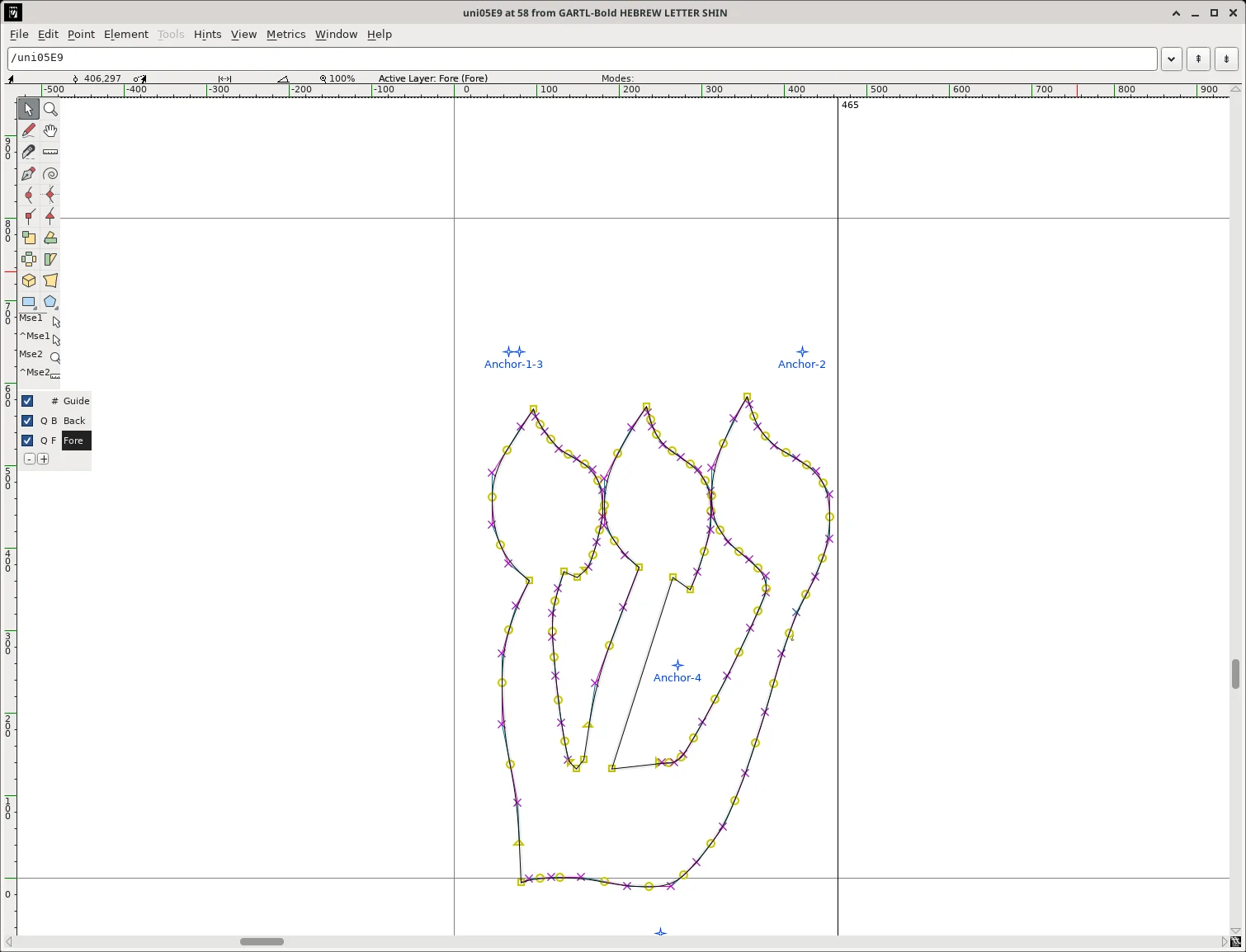
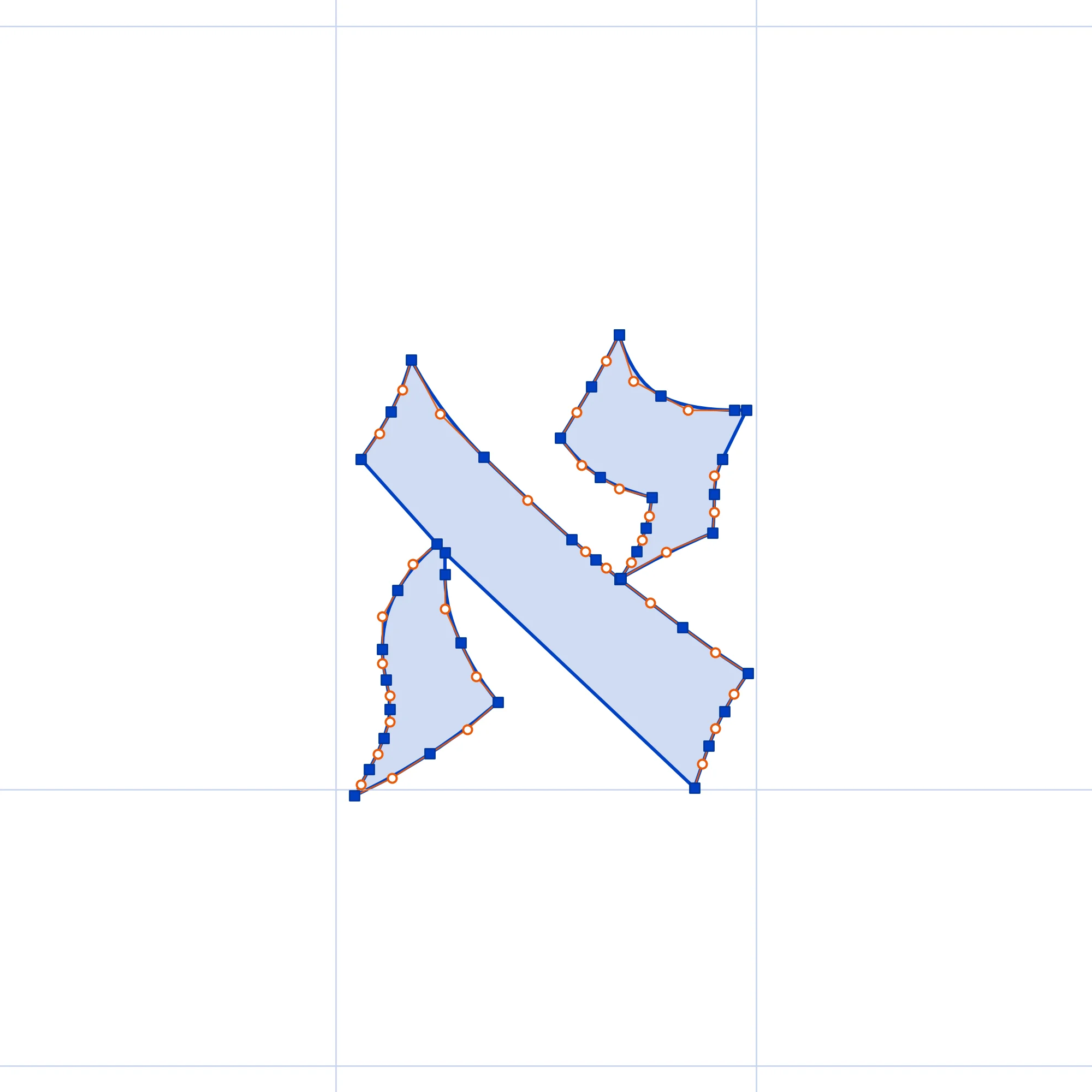
Outline
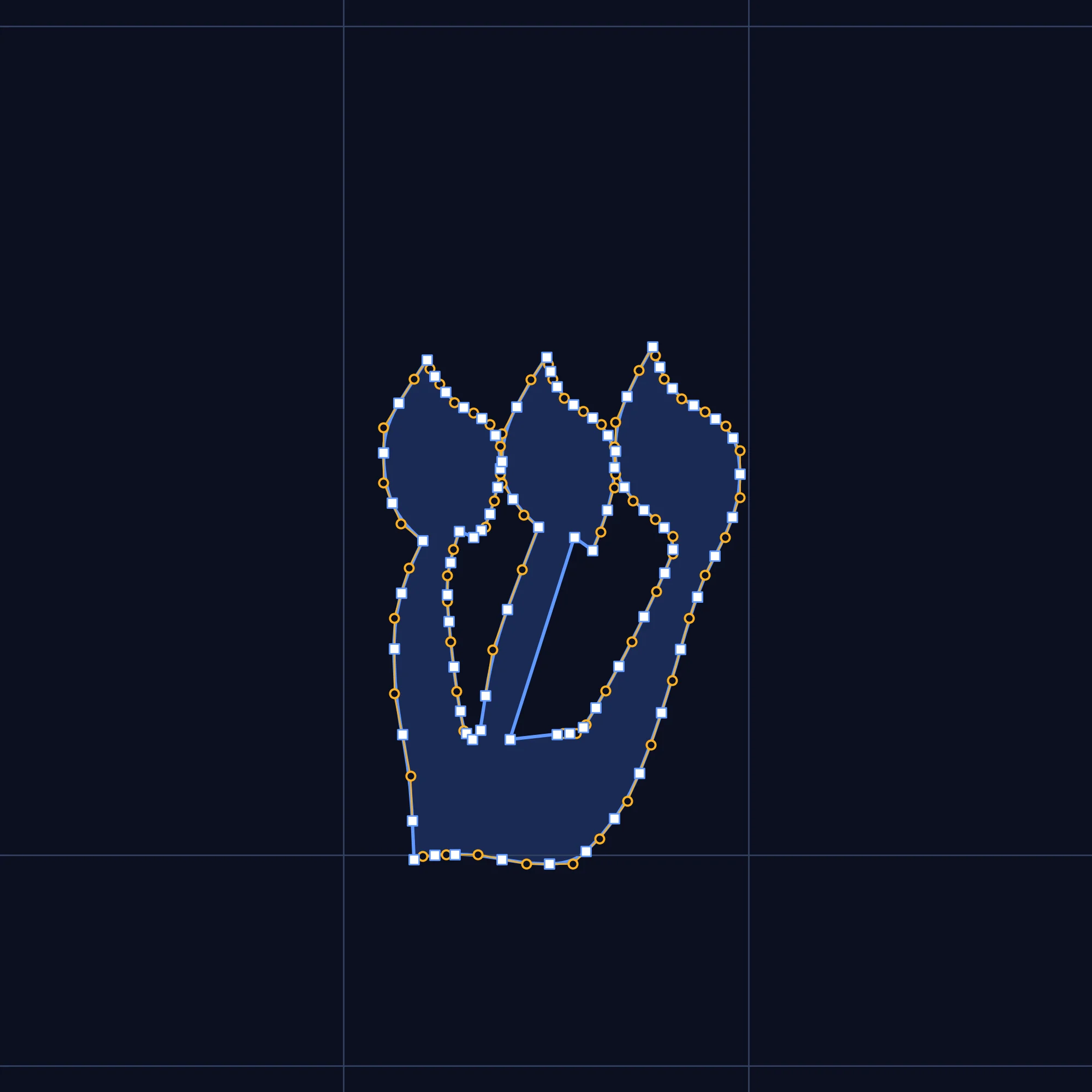
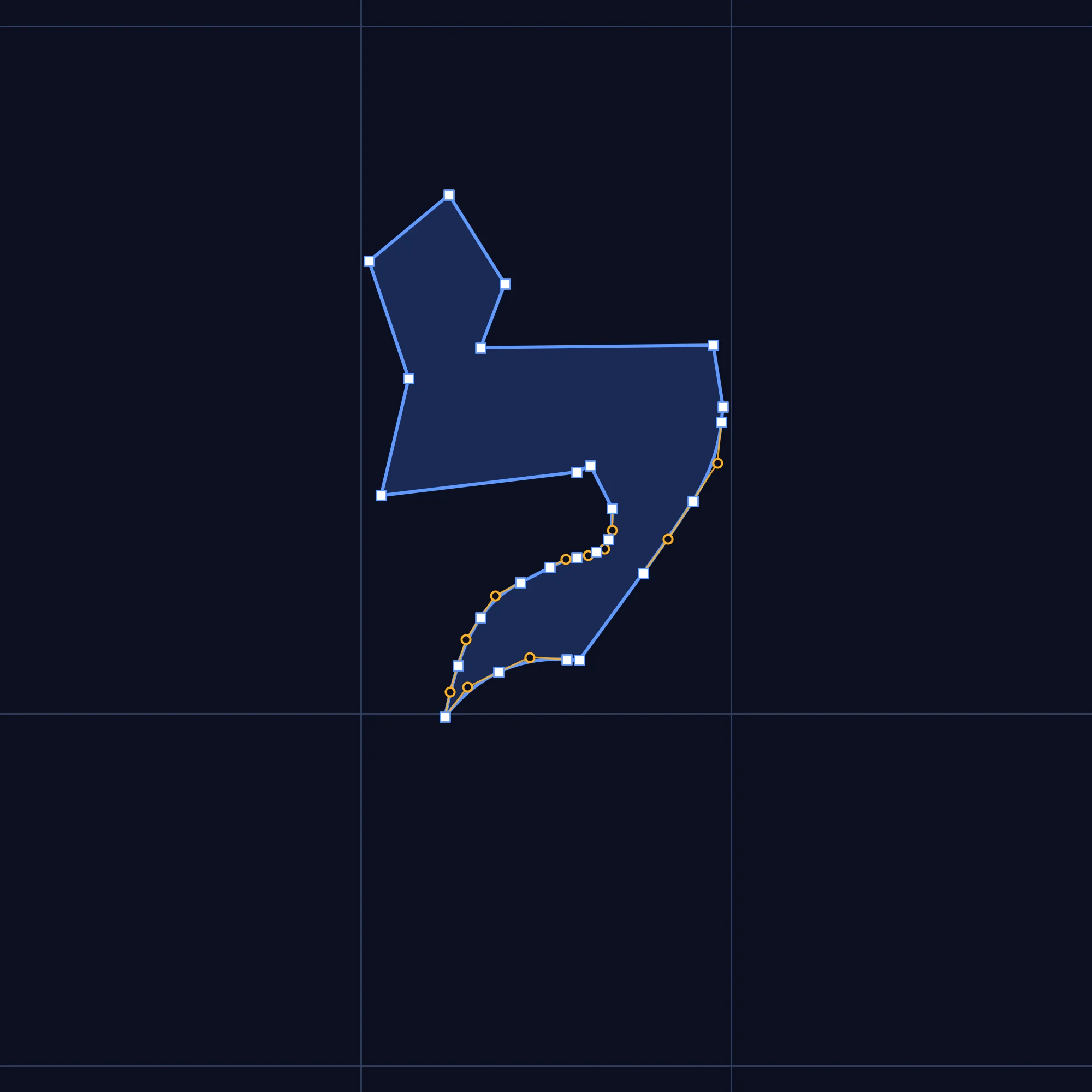
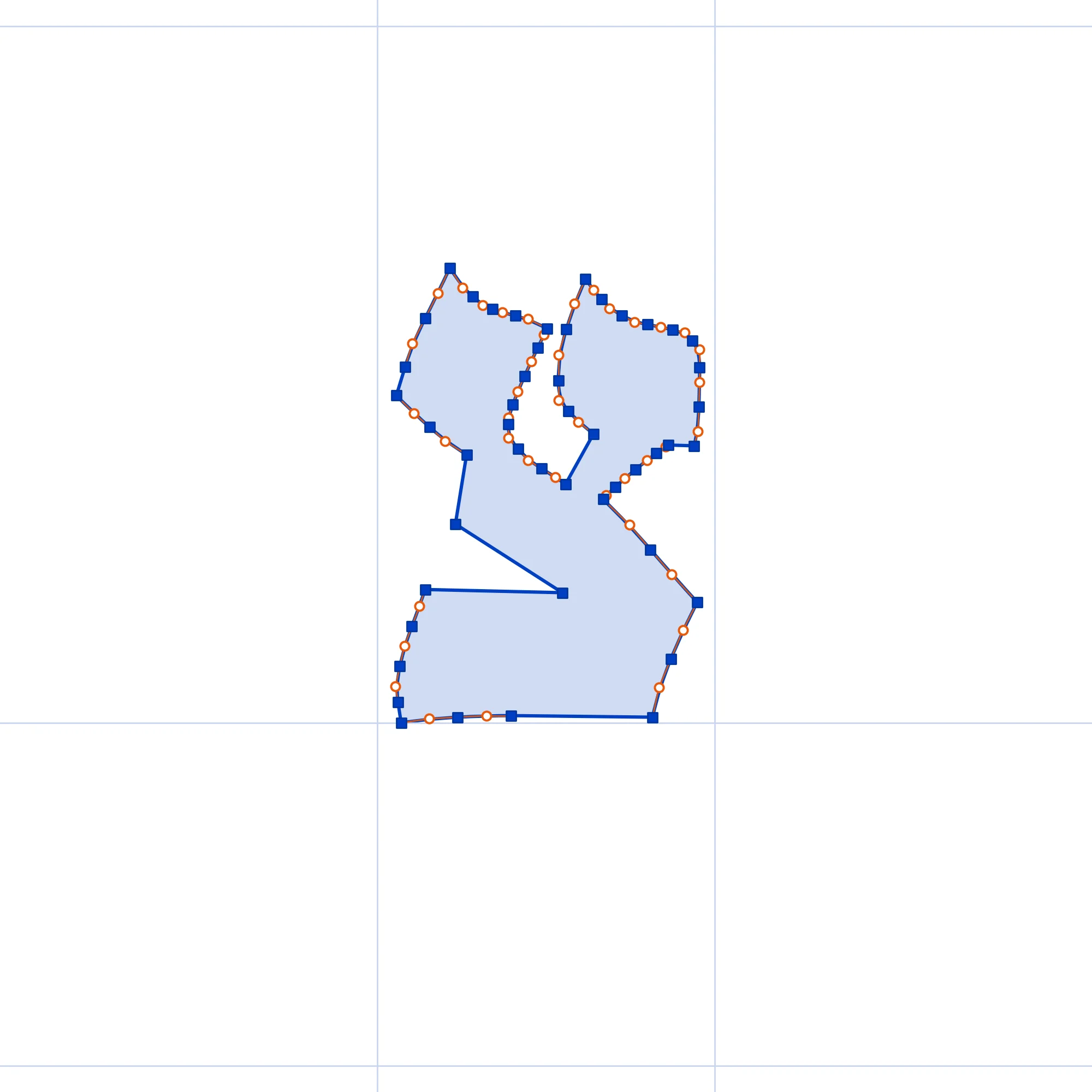
In the editor every curve is built from points and handles. One letter can hold dozens of points, each placed by hand.
- 3.
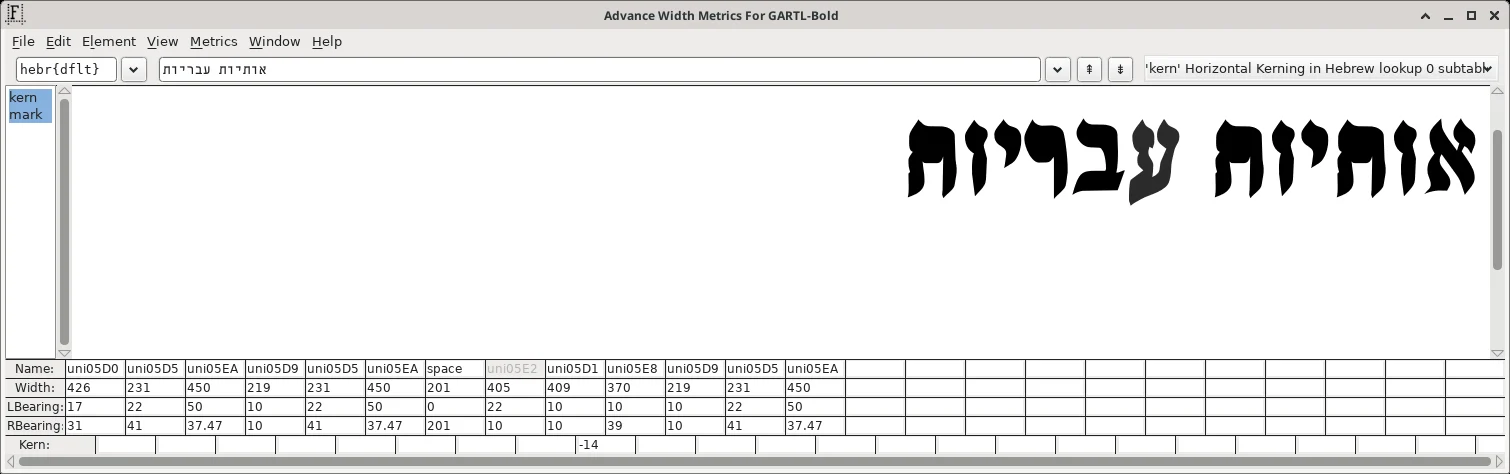
Spacing and kerning
A good letter is measured by the space around it, too. We tune widths, sidebearings and kerning pair by pair.
- 4.
Family
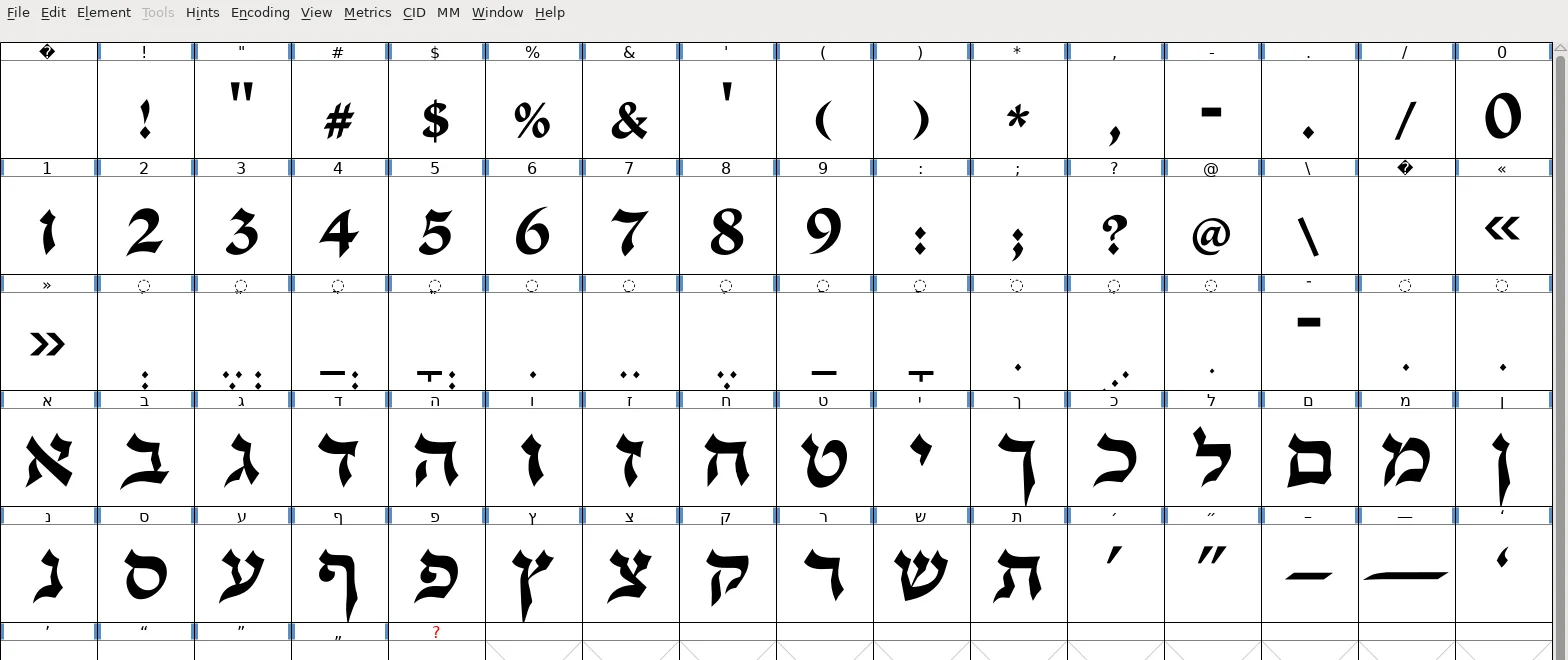
Then one letter becomes a family: alef-bet, finals, niqqud, numerals and weights, all tested together.
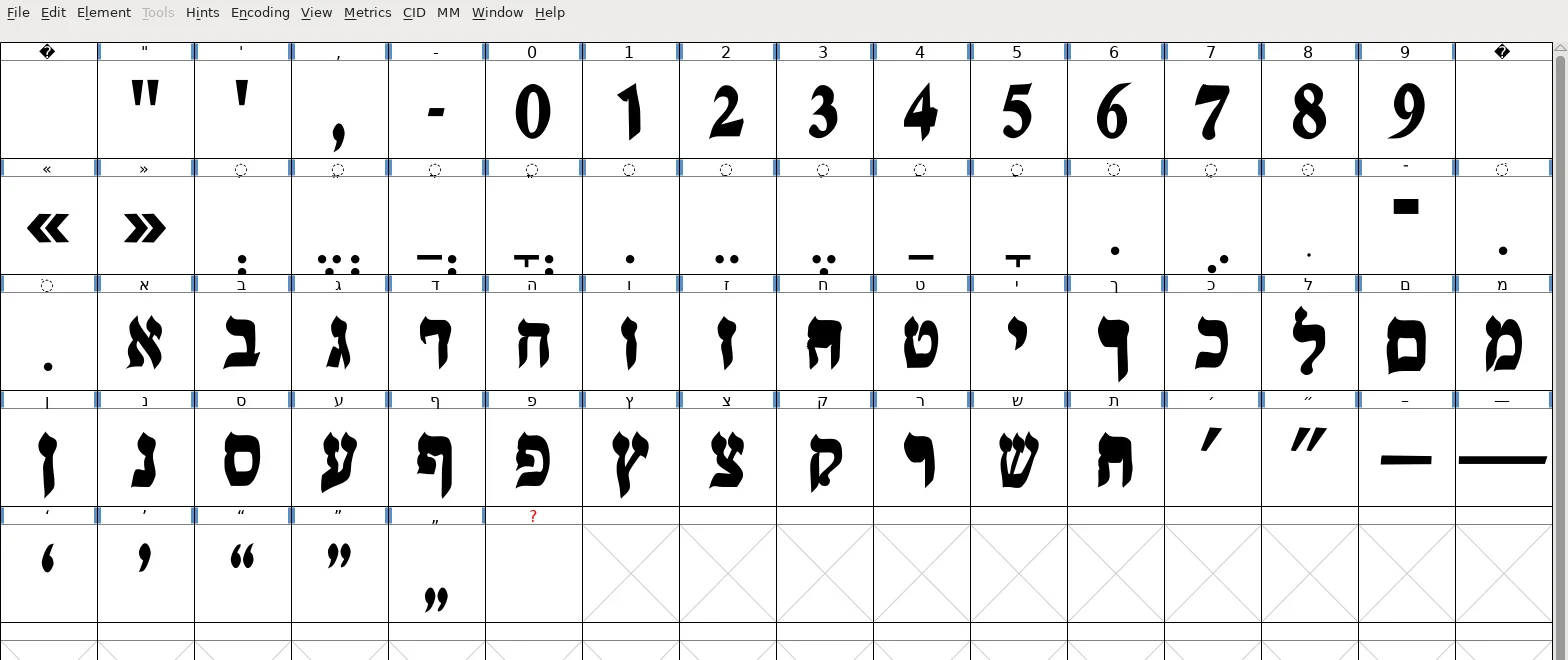
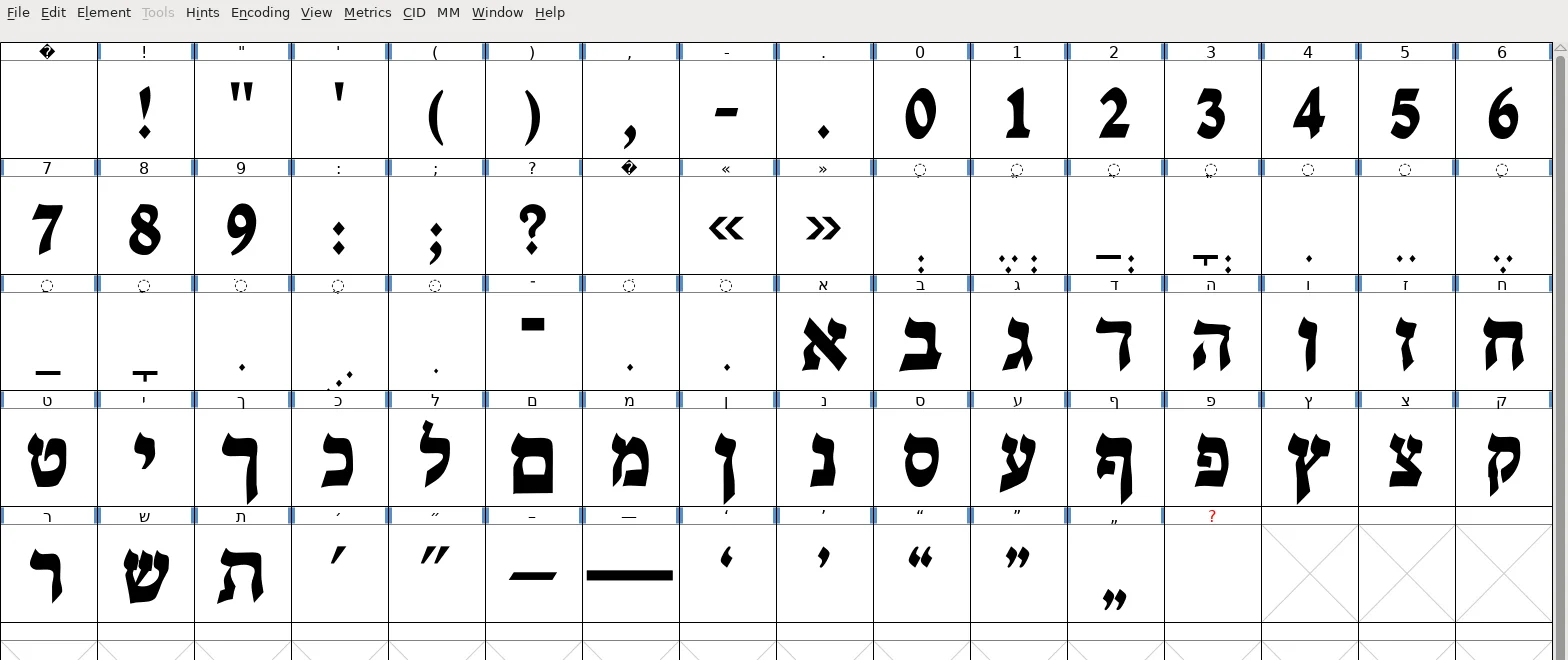
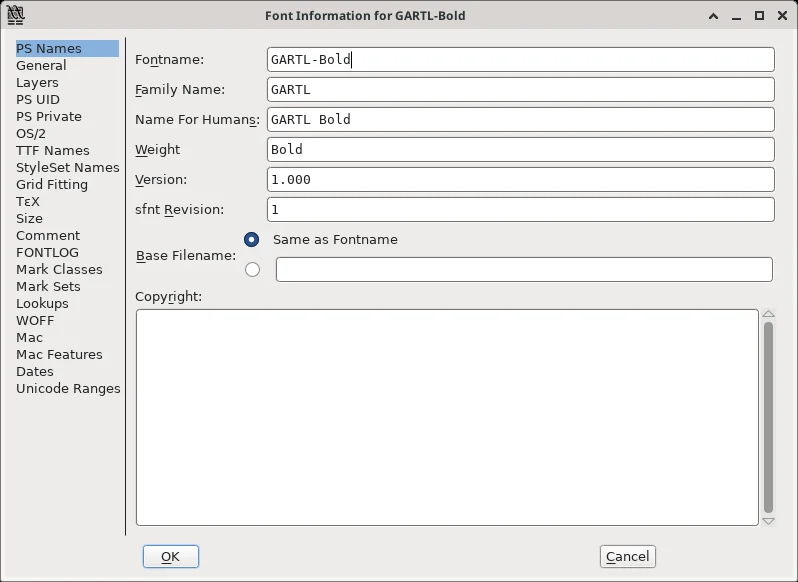
Inside the studio
Real screenshots from our working files.
Our typefaces
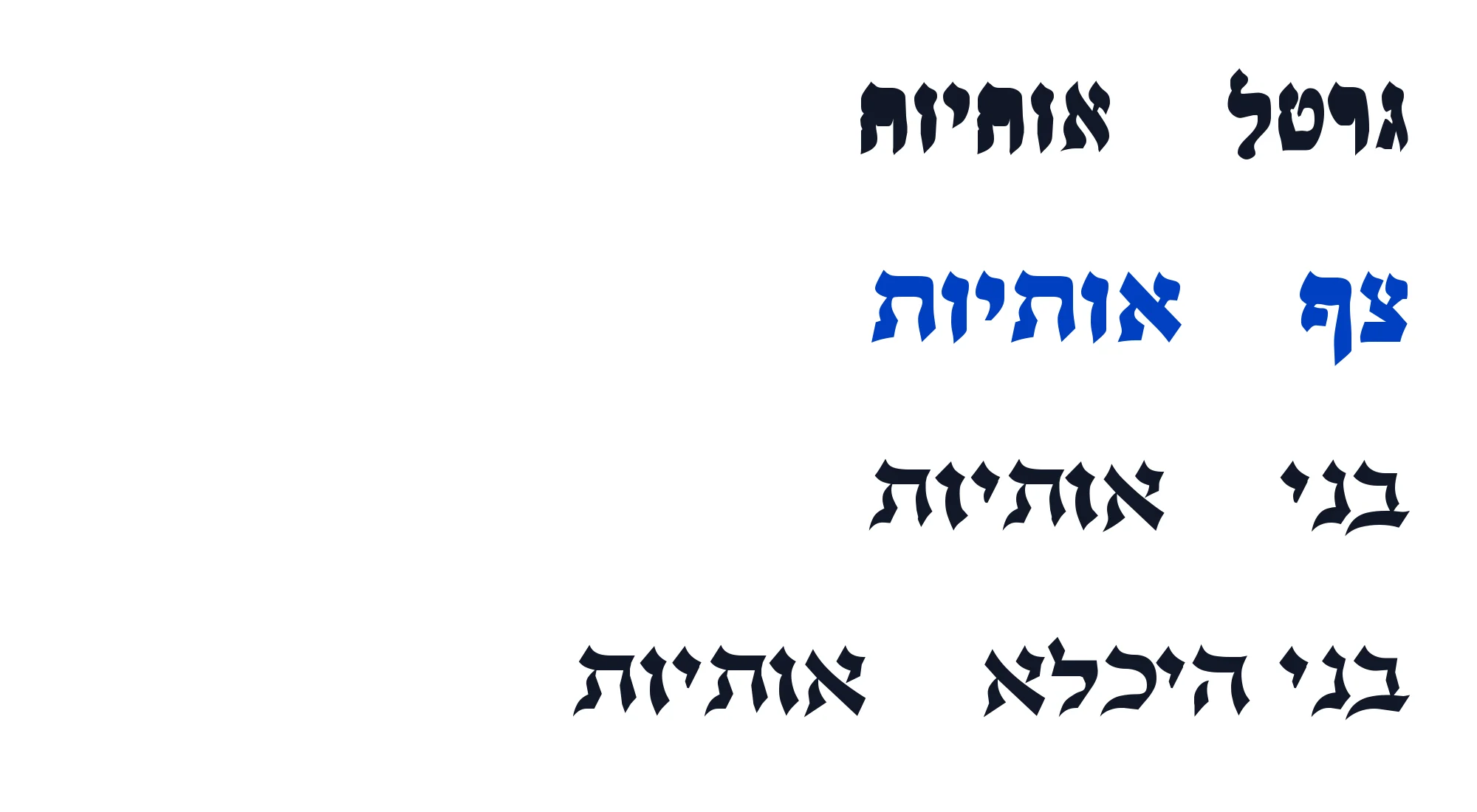
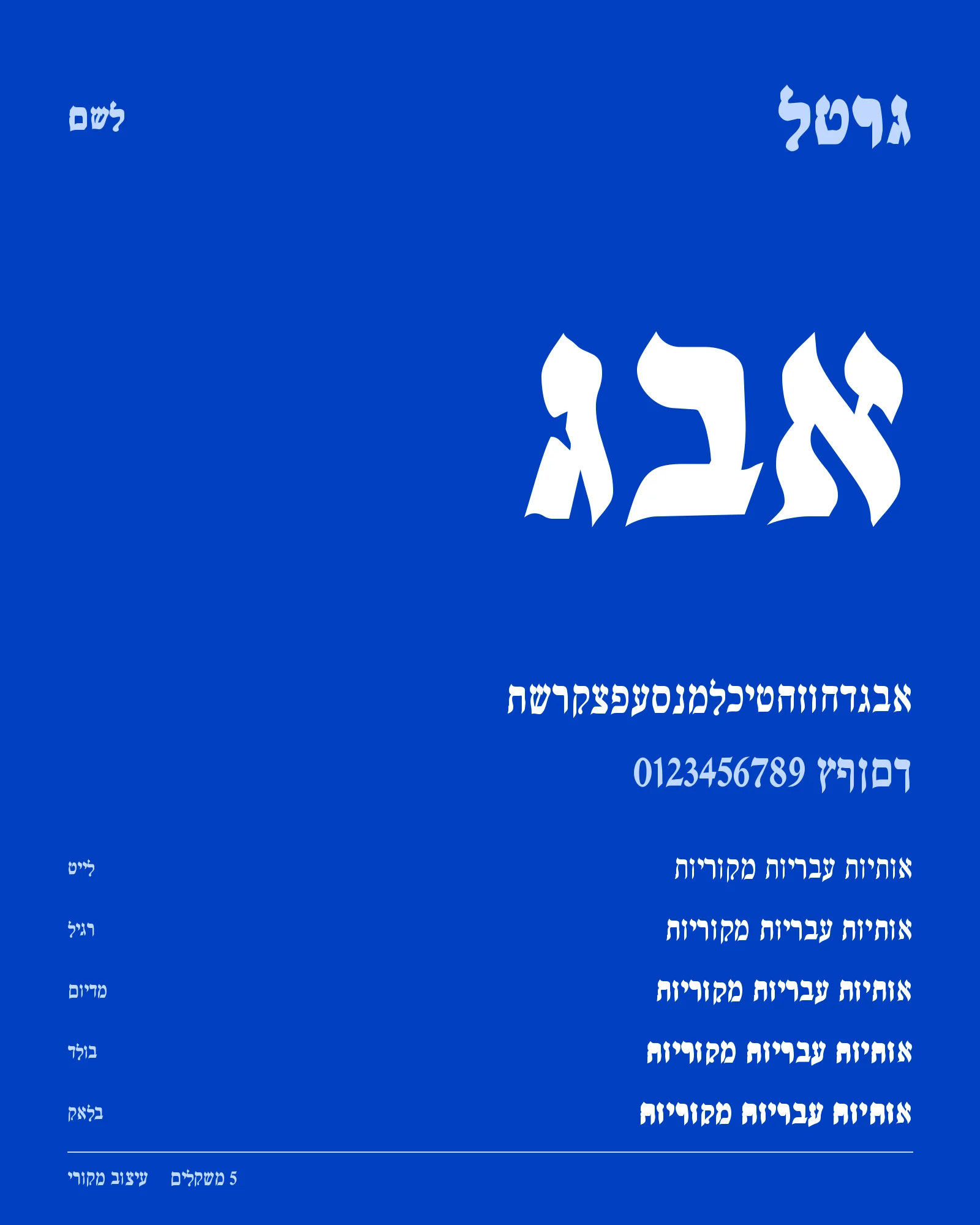
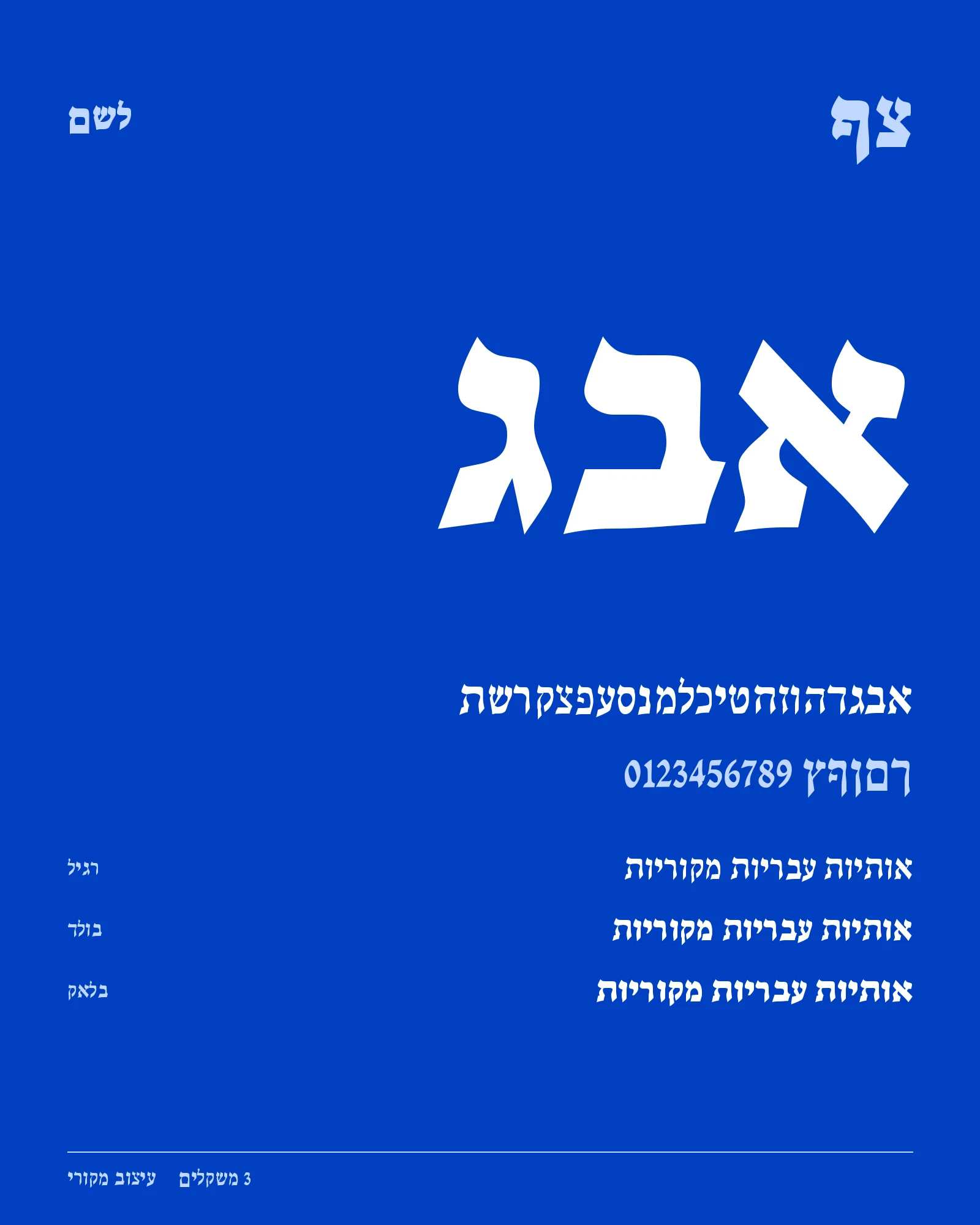
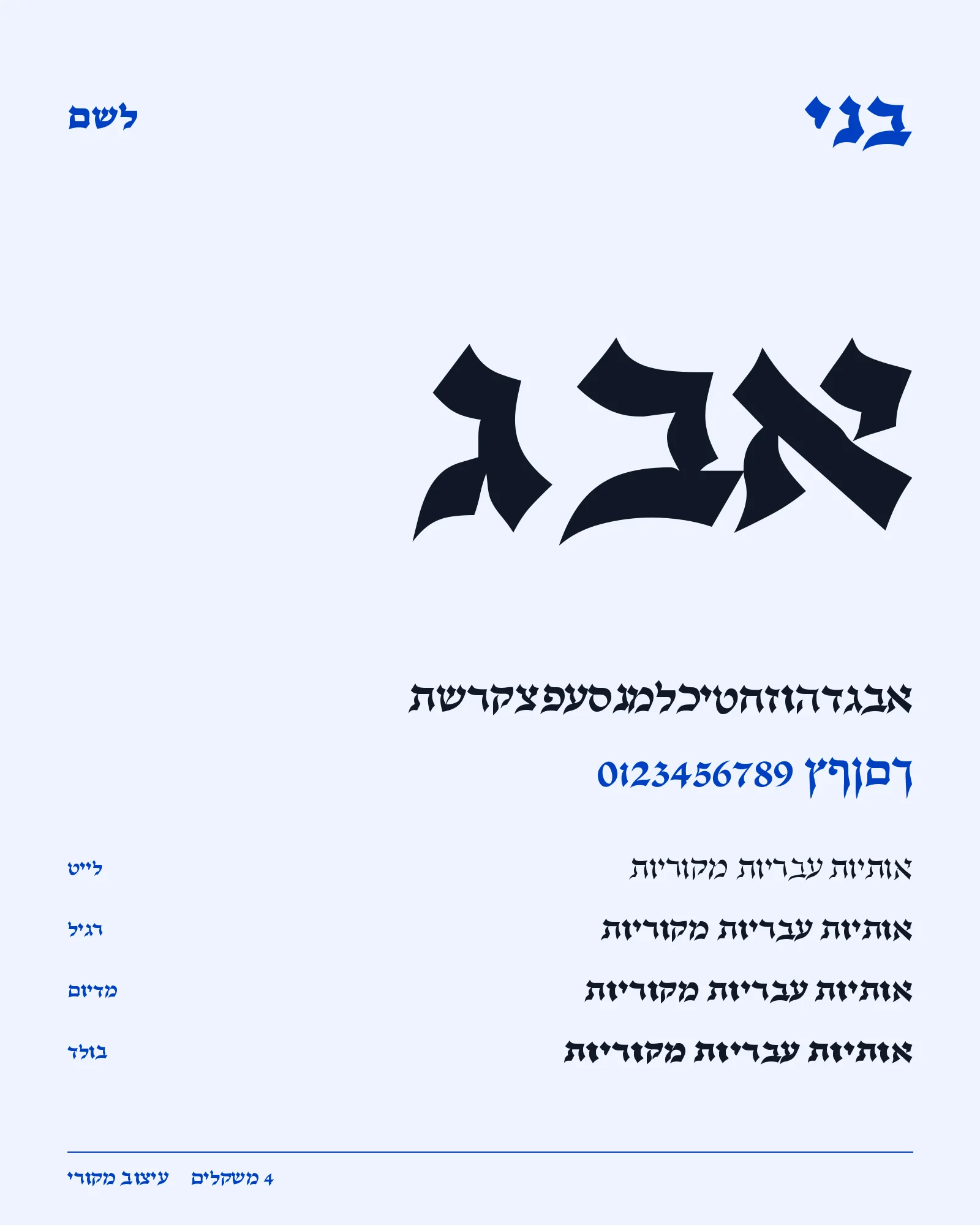
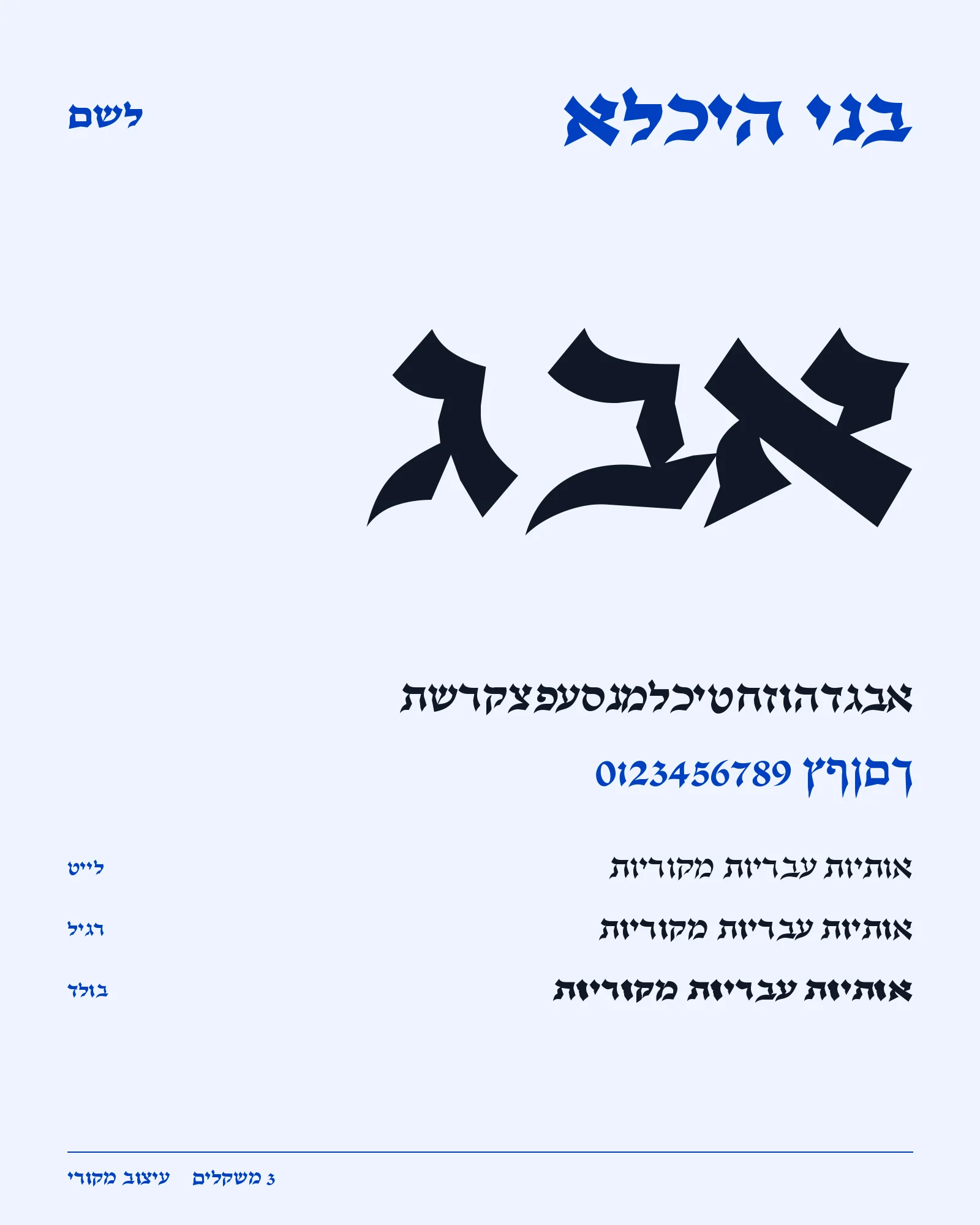
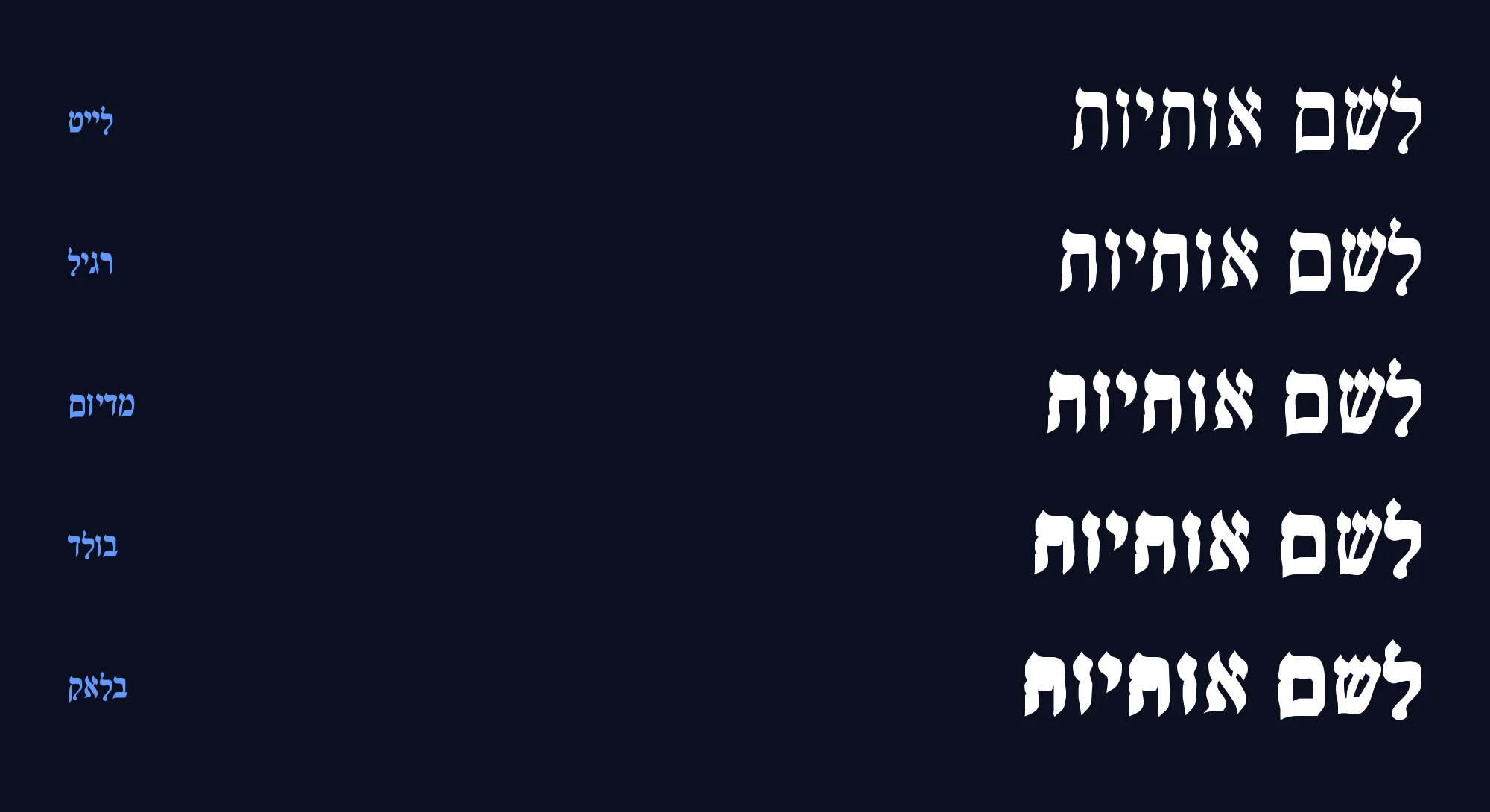
Four families, each with its own character.
What guides us
Originality
Every stroke drawn from scratch, never traced from existing fonts.
Precision
Every point, space and pair is checked.
Hebrew first
Niqqud, finals and details planned from day one.
Teamwork
Every typeface passes through several sets of eyes before release.
Continuing five centuries of Hebrew printing.
Five centuries of Hebrew printing.
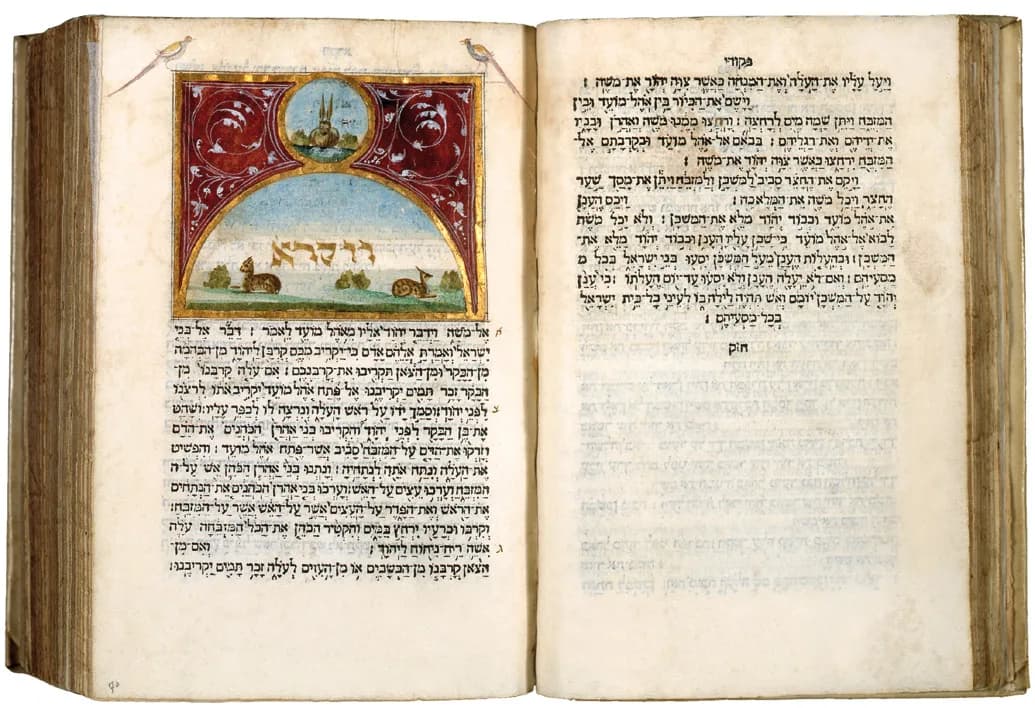 1494BresciaThe Soncino Bible
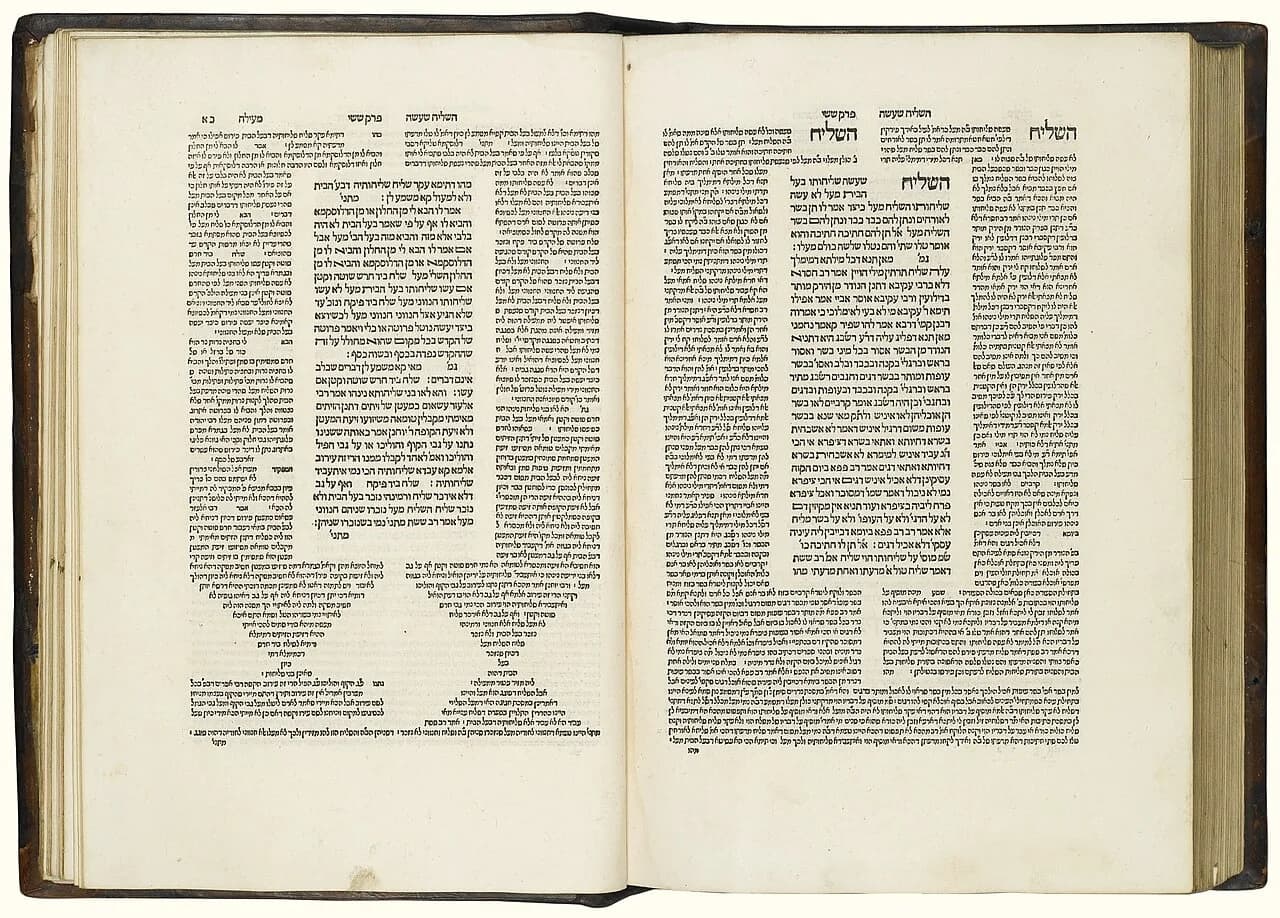 1520VeniceThe Bomberg Talmud
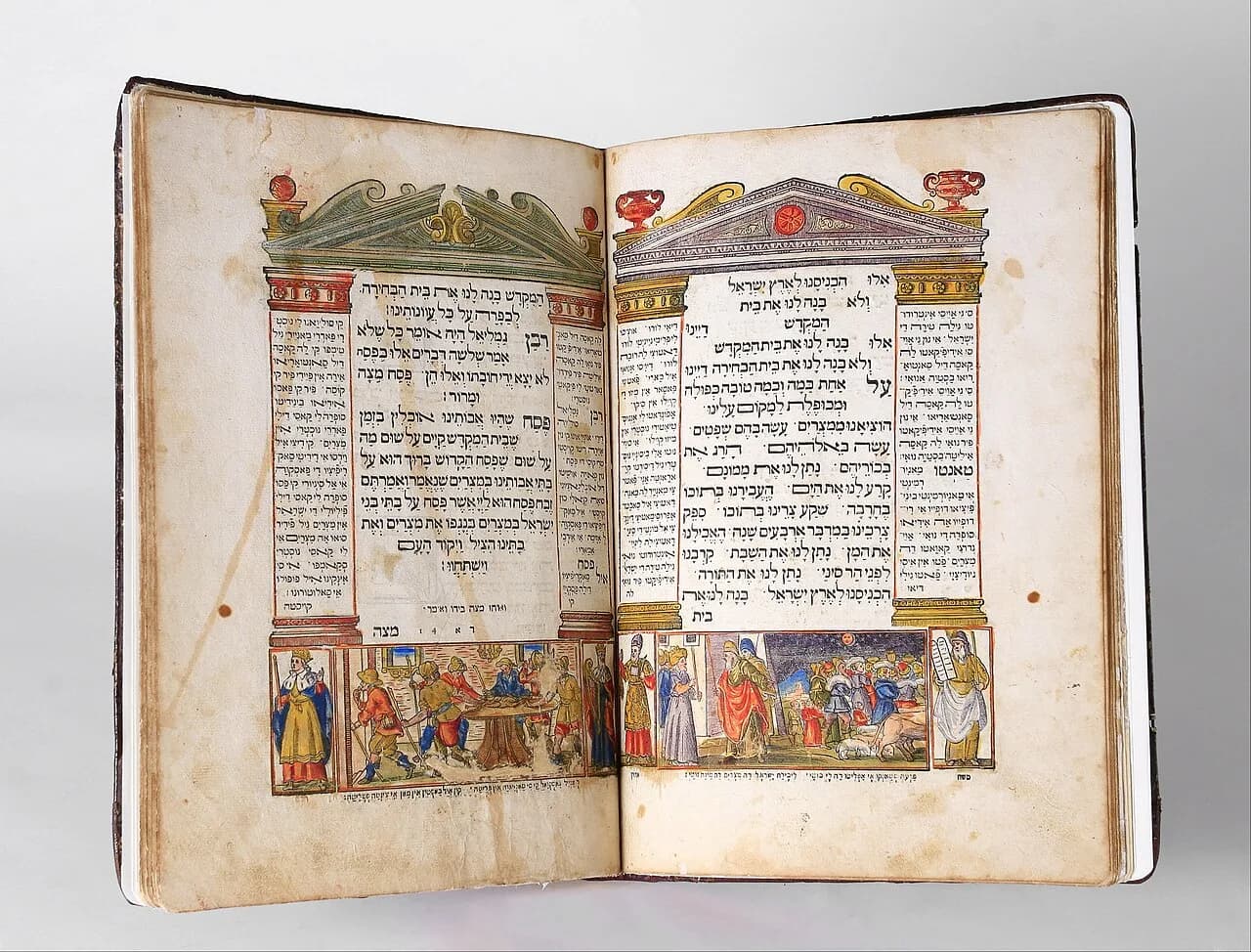 1609VeniceThe Venice Haggadah
Historical images: public domain, via Wikimedia Commons: The Soncino Bible (1494) · The Bomberg Talmud (1520) · The Venice Haggadah (1609)